

Vegan Thai Peanut Sauce is your new go-to for adding creamy, tangy, and slightly spicy flair to any meal. This plant-based delight features rich peanut butter balanced by zingy lime juice, rice vinegar, fresh ginger, and garlic, all tied together with a hint of chili and a touch of sweetness from maple syrup. Smooth and versatile, it’s perfect for drizzling over noodles, tossing with veggies, or dipping spring rolls—ready in just minutes and sure to become a family favorite.
Key Ingredients
Before diving in, gather these simple pantry staples that pack bold flavors and ensure a silky, well-balanced sauce:
- 1/2 cup creamy natural peanut butter: Rich and smooth base that gives this sauce its signature creaminess and nutty depth.
- 2 tbsp soy sauce or tamari: Provides savory umami flavor and saltiness, balancing the creamy peanut butter.
- 1 tbsp fresh lime juice: Brightens the sauce with tangy, citrusy notes that cut through the richness.
- 1 tbsp rice vinegar: Adds gentle acidity and subtle sweetness for depth.
- 1 tbsp maple syrup: Introduces natural sweetness and a hint of caramel undertones.
- 1 tsp grated fresh ginger: Lends zesty warmth and aromatic spice, elevating the Thai-inspired profile.
- 1 clove garlic, minced: Infuses savory pungency and depth with every bite.
- 1/2 tsp chili garlic sauce or sriracha: Brings a gentle kick of heat and garlicky spice.
- 1 tsp toasted sesame oil: Offers a fragrant, nutty finish and enhances the overall richness.
- 3 to 4 tbsp warm water: Adjusts the sauce to your preferred consistency, ensuring it’s perfectly drizzle-able or dip-ready.
How To Make Vegan Thai Peanut Sauce
Whipping up this Vegan Thai Peanut Sauce is a breeze and takes just minutes. You’ll start by combining all your rich, flavorful ingredients, then use a bit of water to reach the ideal creaminess. Follow the steps below to achieve a smooth, balanced sauce that’s ready to drizzle, dip, or toss.
1. Combine peanut butter, soy sauce, lime juice, rice vinegar, maple syrup, ginger, garlic, chili garlic sauce, and sesame oil in a mixing bowl.
2. Whisk vigorously until the mixture is completely smooth and no lumps remain.
3. Add warm water one tablespoon at a time, whisking after each addition until the sauce reaches your desired consistency.
4. Taste and adjust the seasoning by adding more soy sauce, lime juice, maple syrup, or chili sauce in small increments.
5. Transfer the peanut sauce to a serving dish or jar for immediate use or storage.
Serving Suggestions
This Vegan Thai Peanut Sauce shines when used creatively—whether you’re looking for a flavorful dip or a silky drizzle. Here are four tasty ways to showcase its versatility:
- Dip fresh spring rolls into the sauce for a bright, satisfying appetizer or snack.
- Drizzle over rice noodle bowls topped with crisp veggies and tofu for a vibrant dinner.
- Toss with stir-fried vegetables and plant-based protein for an easy, flavor-packed meal.
- Use as a dressing on crisp green salads or grain bowls to add creamy, tangy richness.
Tips For Perfect Vegan Thai Peanut Sauce
Nailing the perfect texture and flavor balance is easier than you think. These friendly tips will keep your sauce silky-smooth and beautifully balanced every time:
- Store in an airtight container in the refrigerator for up to one week.
- Stir or whisk well before each use to recombine any separated ingredients.
- Perfect as a dip for spring rolls, a sauce for noodles or stir-fries, or a dressing for salads.
- Adjust the sweetness, tanginess, and spiciness to suit your personal taste.
How To Store It
Proper storage keeps your Vegan Thai Peanut Sauce fresh and flavorful all week long. Follow these methods to maintain its creamy texture and bright taste:
- Refrigerate in an airtight container for up to one week to keep flavors bright.
- Use a glass jar to prevent unwanted odors and make stirring easier.
- Stir well before each use to recombine separated oils and solids.
- Label and date your container to track freshness and enjoy at its best.
Frequently Asked Questions
Curious about tweaks, timing, or storage? Here are answers to the most common questions:
- How long does it take to prepare this Vegan Thai Peanut Sauce?
A: It takes about 10 minutes to prepare this sauce. This includes measuring out the peanut butter, soy sauce, lime juice, rice vinegar, maple syrup, ginger, garlic, chili garlic sauce, and sesame oil, and then whisking everything together until smooth before adjusting the consistency with warm water.
- How can I adjust the consistency of the sauce to be thinner or thicker?
A: To thin the sauce, add 1 tablespoon of warm water at a time, whisking after each addition until you reach your desired consistency. If you prefer a thicker sauce, simply use less warm water or omit it entirely and rely on the natural creaminess of the peanut butter.
- How do I balance the flavors if the sauce tastes too salty, sweet, or spicy?
A: If it’s too salty, add a splash more maple syrup or lime juice. If it’s too sweet, increase the lime juice or rice vinegar by half a teaspoon increments. For more heat, stir in extra chili garlic sauce or sriracha in small amounts until you hit the right level of spiciness. Always taste after each adjustment.
- Can I substitute any of the ingredients for dietary restrictions or preferences?
A: Yes. For a gluten-free version, use tamari instead of regular soy sauce. If you have a peanut allergy, swap creamy peanut butter for sunflower seed butter or almond butter, though the flavor will vary slightly. You can also use coconut aminos in place of soy sauce for a soy-free option.
- What’s the best way to store leftover Vegan Thai Peanut Sauce?
A: Transfer the sauce to an airtight container or jar and refrigerate for up to one week. Before each use, give it a good stir or whisk to recombine any separated oils and solids.
- Can I make this sauce ahead of time for meal prep?
A: Absolutely. This sauce benefits from a brief chill in the refrigerator, which helps the flavors meld. Make it up to three days in advance, store it properly sealed, and whisk well just before serving.
- What dishes pair best with this sauce?
A: This versatile sauce works wonderfully as a dip for fresh spring rolls, a drizzle over rice noodle bowls, a stir-fry finishing sauce, or a zesty dressing for green salads and grain bowls. It also makes a flavorful marinade for tofu or vegetables.
- Is it possible to freeze the peanut sauce for longer storage?
A: Freezing isn’t recommended because the texture can separate and become grainy upon thawing. For best results, keep it refrigerated and consume within one week.
What Makes This Special
There’s something magical about how creamy peanut butter, tangy lime, zesty ginger, and a touch of heat from chili sauce come together in perfect harmony. This Vegan Thai Peanut Sauce works every time—no fancy equipment needed—making it ideal for busy weeknights or a weekend meal. Plus, its versatility means you’ll be dreaming up new uses for it in minutes. Feel free to print this article and stash it in your recipe box—then swing back here to leave your comments, questions, or rave reviews once you’ve whipped up a batch!
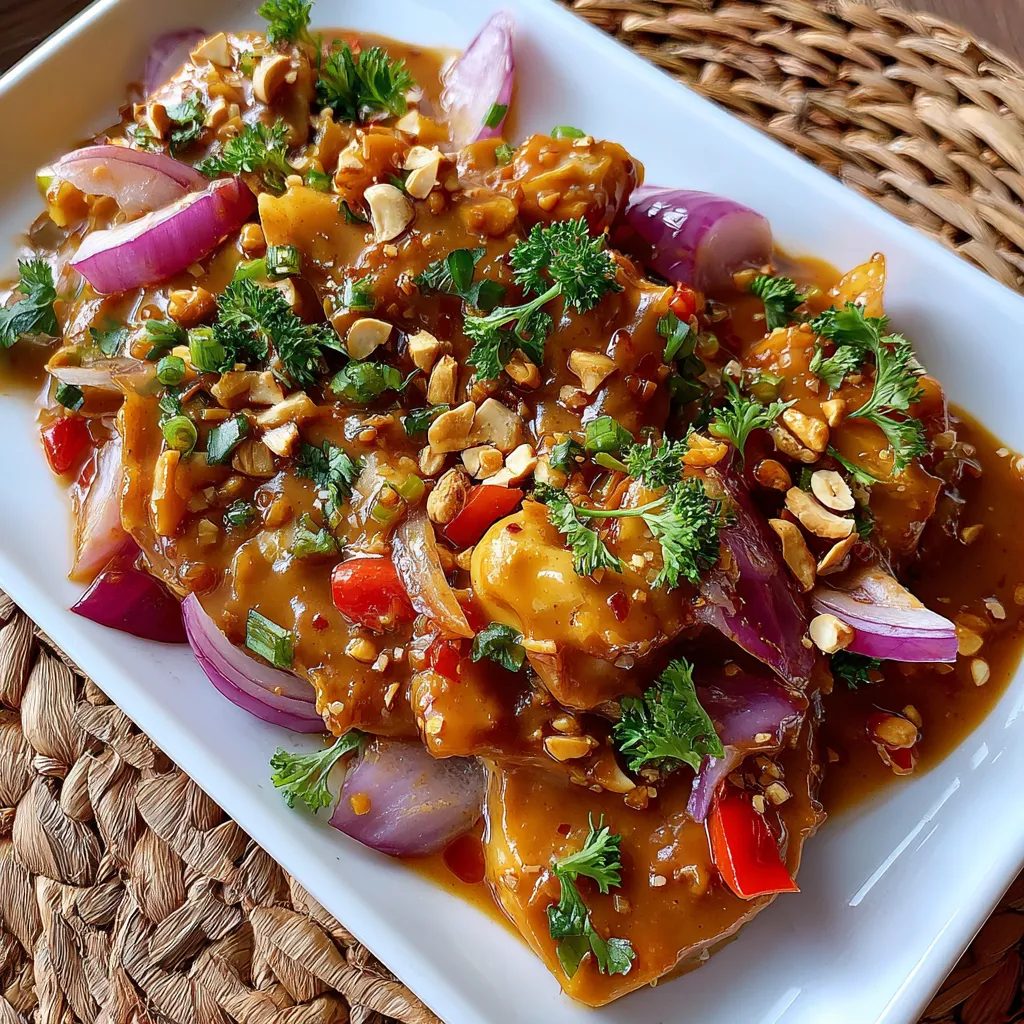

Vegan Thai Peanut Sauce
Description
This peanut sauce blends creamy peanut butter with zesty lime, ginger, and garlic, laced with a hint of chili. Smooth, rich, and perfectly balanced, ideal for drizzling over noodles, tossing with veggies, or dipping spring rolls.
Ingredients
Instructions
-
Combine peanut butter, soy sauce, lime juice, rice vinegar, maple syrup, ginger, garlic, chili garlic sauce, and sesame oil in a mixing bowl.
-
Whisk until the mixture is smooth and well combined.
-
Add warm water one tablespoon at a time, whisking after each addition until the sauce reaches your desired consistency.
-
Taste and adjust seasoning by adding more soy sauce, lime juice, maple syrup, or chili sauce as needed.
-
Transfer the peanut sauce to a serving dish or jar.
Note
- Store in an airtight container in the refrigerator for up to one week.
- Stir or whisk well before each use to recombine any separated ingredients.
- Perfect as a dip for spring rolls, a sauce for noodles or stir-fries, or a dressing for salads.
- Adjust the sweetness, tanginess, and spiciness to suit your personal taste.

