

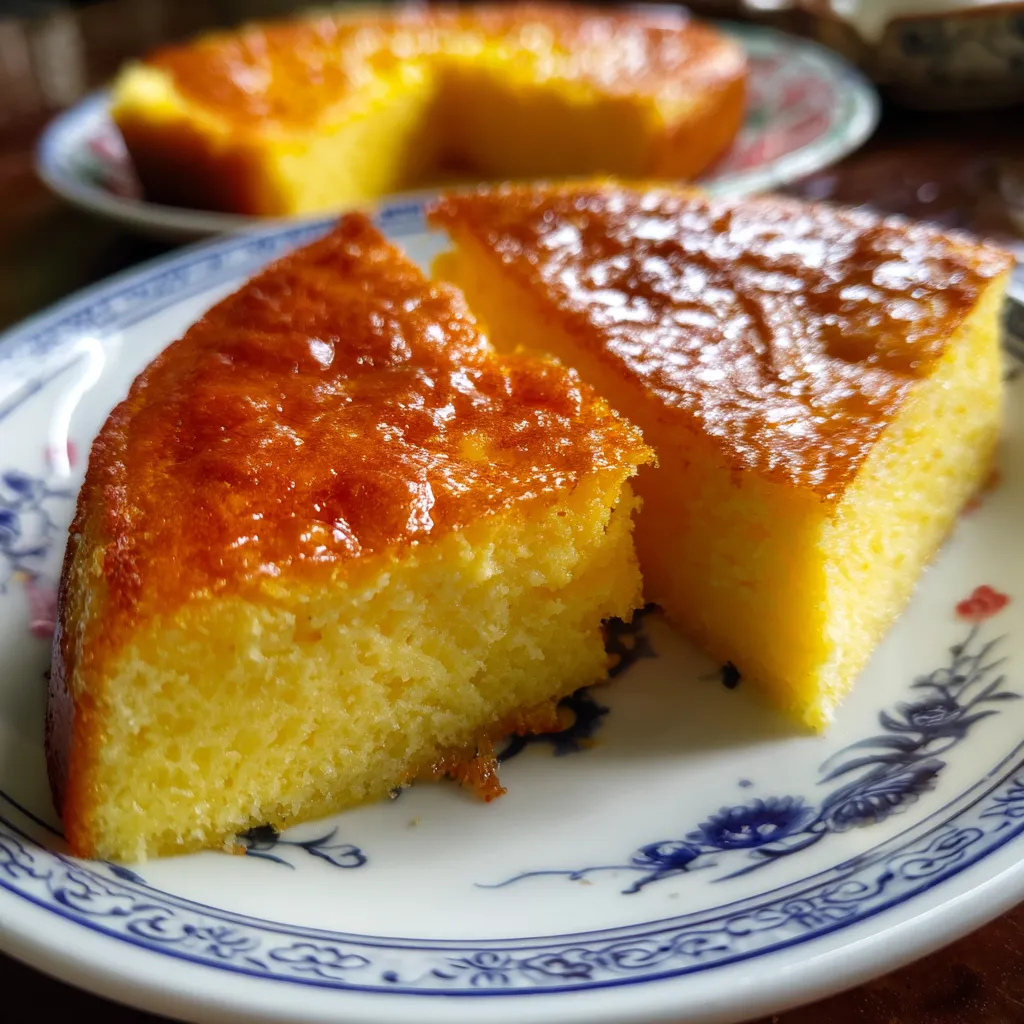
Experience a fluffy, cloud-like Chinese Egg Cake that steams to tender perfection, yielding a soft, golden crumb with a hint of vanilla. This pillowy steamed egg cake is infused with subtle vanilla and milk, making each slice moist and melt-in-your-mouth. Whether you’re new to steaming desserts or looking for a simple yet impressive treat, this recipe brings a light sweetness and that irresistible sponge texture right to your kitchen. Give it a try—you may just discover your new favorite beginner-friendly Chinese dessert!
Key Ingredients
Before you get started, make sure you have all the essentials on hand to achieve that perfect, velvety cake texture.
- 4 large eggs: Room-temperature eggs whip into a pale, airy foam for the signature tender lift.
- 100 grams sugar: Sweetens and stabilizes the egg foam for consistent volume.
- 100 grams all-purpose flour: Provides the structure while keeping the crumb light and delicate.
- 1 teaspoon baking powder: Gently leavens to give the cake its soft, even rise.
- 1 tablespoon milk: Adds moisture and enriches the crumb for a melt-in-your-mouth feel.
- 1 tablespoon vegetable oil: Keeps the cake tender and prevents it from drying out.
- 1/2 teaspoon vanilla extract: Infuses a fragrant, comforting hint of vanilla throughout.
How To Make Chinese Egg Cake
Steaming a cake might sound fancy, but it’s surprisingly straightforward—and the payoff is a cake so soft it practically melts in your mouth. In just a few steps, you’ll whisk, fold, and steam your way to a lightly sweetened sponge that’s perfect for dessert or afternoon tea.
1. In a large bowl, whisk the eggs and sugar together vigorously until the mixture becomes pale and slightly thickened, about 3–5 minutes.
2. Sift the flour and baking powder directly into the egg mixture, then gently fold with a spatula until no streaks of flour remain, taking care not to deflate the batter.
3. Stir in the milk, vegetable oil, and vanilla extract until the batter is smooth and well combined, ensuring an even texture.
4. Lightly grease a 6- to 8-inch round cake pan and line the bottom with parchment paper to prevent sticking.
5. Pour the batter into the prepared pan and tap it lightly on the counter to release any large air bubbles for an even crumb.
6. Bring water to a rolling boil in your steamer, reduce to medium heat, and place the cake pan inside to steam.
7. Cover the steamer with a lid wrapped in a kitchen towel to prevent any drips and steam the cake for 20 to 25 minutes.
8. Check doneness by inserting a toothpick into the center; if it comes out clean, remove the pan from the steamer.
9. Let the cake cool for 5 minutes before unmolding, then transfer to a wire rack to cool completely or serve warm.
Serving Suggestions
The light sweetness and delicate crumb of this Chinese Egg Cake make it incredibly versatile. Here are a few ideas to take your slice from simple to sensational:
- Serve warm alongside a steaming cup of jasmine or green tea to enhance the cake’s subtle vanilla notes.
- Dust lightly with powdered sugar for an elegant finish before presenting on a dessert plate.
- Slice evenly and pair with fresh berries or fruit compote to add a bright, juicy contrast.
- Top each piece with a dollop of lightly sweetened whipped cream and a sprinkle of vanilla for extra indulgence.
Tips For Perfect Chinese Egg Cake
Nailing that ultra-soft, tender crumb is easier than you think! A few simple practices will ensure your cake rises beautifully and stays melt-in-your-mouth fresh.
- Use room-temperature eggs for better volume and texture.
- Ensure the steamer lid is well sealed and wrapped to avoid water dripping onto the cake.
- Do not open the lid during steaming to maintain consistent heat and rise.
- Serve the cake fresh for the softest, most tender crumb.
How To Store It
If you have leftovers (though that’s rare!), here’s how to keep your Chinese Egg Cake just as delicious for days to come. Proper storage ensures the cake remains moist and flavorful without drying out.
- Room temperature: Wrap the cooled cake in plastic wrap or place it in an airtight container; it will stay soft for up to two days.
- Refrigeration: Store slices in an airtight container for up to four days; to refresh, steam briefly or microwave wrapped in a damp paper towel.
- Freezing: Wrap individual slices tightly in plastic wrap and then aluminum foil; freeze for up to one month, thawing overnight in the fridge.
- Reheating: Gently steam or microwave slices on low power with a damp paper towel to restore that freshly steamed texture.
Frequently Asked Questions
Here are quick answers to the most common questions about steaming this fluffy Chinese Egg Cake:
- How can I ensure my Chinese egg cake turns out fluffy and light?
Use room-temperature eggs to trap more air when whisking. Whisk the eggs and sugar until the mixture is pale and slightly thickened, which incorporates air for lift. Gently sift and fold the flour and baking powder in with a spatula—overmixing will deflate the batter. Finally, maintain steady steam heat without opening the lid so the cake rises evenly.
- What should I do if I don’t have a steamer?
You can improvise a steamer by placing a heatproof rack or an inverted heatproof bowl inside a large pot. Pour in boiling water until it’s just below the rack, then place the cake pan on top. Cover the pot tightly with a lid wrapped in a kitchen towel to trap steam and prevent drips, and steam as directed.
- Why is it important not to open the steamer lid during steaming?
Opening the lid lets out the steam and lowers the temperature inside the steamer, causing the cake to sink or cook unevenly. Keeping the lid closed and well wrapped ensures consistent heat and moisture, which are crucial for a uniform rise and tender crumb.
- How do I check if the cake is fully cooked?
After about 20 minutes of steaming, insert a clean toothpick or cake tester into the center of the cake. If it comes out clean or with just a few moist crumbs attached, the cake is done. If you see wet batter, continue steaming in 2- to 3-minute intervals and test again until the toothpick comes out clean.
- Can I substitute ingredients, such as using whole wheat flour or non-dairy milk?
Substituting all-purpose flour with whole wheat will yield a denser, coarser crumb; you can try using 80 grams of whole wheat flour plus 20 grams of all-purpose for a lighter result. Non-dairy milks like almond or soy can replace cow’s milk 1:1, though they may slightly alter the flavor profile without affecting the steaming process.
- How should I store leftovers, and how long will the cake stay fresh?
Allow the cake to cool completely, then wrap it tightly in plastic wrap or place it in an airtight container. At room temperature, it stays soft and fresh for up to two days. For longer storage, refrigerate for up to four days; to refresh the texture, reheat slices by steaming briefly or microwaving wrapped in a damp paper towel.
What Makes This Special
This Chinese Egg Cake works its magic through simple ingredients and a gentle steaming method that locks in moisture, creating a cake so airy it practically floats. The subtle vanilla and hint of milk make each bite a delightfully tender treat, perfect for both weeknight dessert and special occasions. Keep this recipe handy—feel free to print and save it for whenever you crave something light, sweet, and utterly satisfying. If you give it a whirl, let me know how it turned out or drop any questions below—happy steaming!

Chinese Egg Cake
Description
A pillowy steamed egg cake infused with subtle vanilla and milk. Each slice is moist and tender, offering a light sweetness and melt-in-your-mouth crumb.
Ingredients
Instructions
-
In a large bowl whisk the eggs and sugar together until the mixture becomes pale and slightly thickened.
-
Sift the flour and baking powder into the egg mixture and gently fold using a spatula until no streaks remain.
-
Stir in the milk, vegetable oil, and vanilla extract until the batter is smooth and well combined.
-
Lightly grease a 6- to 8-inch round cake pan and line the bottom with parchment paper.
-
Pour the batter into the prepared pan and tap it lightly on the counter to release any large air bubbles.
-
Bring water to a rolling boil in a steamer, then reduce to medium heat and place the cake pan inside.
-
Cover the steamer with a lid wrapped in a kitchen towel to prevent drips, and steam the cake for 20 to 25 minutes.
-
Check doneness by inserting a toothpick into the center; if it comes out clean, remove the pan from the steamer.
-
Let the cake cool for 5 minutes before unmolding, then transfer to a wire rack to cool completely or serve warm.
Note
- Use room-temperature eggs for better volume and texture.
- Ensure the steamer lid is well sealed and wrapped to avoid water dripping onto the cake.
- Do not open the lid during steaming to maintain consistent heat and rise.
- Serve the cake fresh for the softest, most tender crumb.

