

Spicy Sichuan Vegetable Fried Rice turns everyday jasmine rice into a vibrant stir-fry studded with crunchy carrots, crisp bell peppers, and icy peas, all tossed in a fiery blend of chili bean paste and fragrant Sichuan peppercorns. With wok-tossed grains dancing in toasted sesame oil and a hint of rice vinegar’s tang, this recipe brings an irresistible tongue-tingling kick to any dinner table. Whether you’re a spice lover or just craving bold Asian flavors, you’ll find every spoonful bursting with color and aromatic flair.
Key Ingredients
Here’s a rundown of the core components that make Spicy Sichuan Vegetable Fried Rice so irresistible:
- 2 cups cooked jasmine rice chilled: Essential base that stays fluffy and avoids clumping when stir-fried.
- 2 tablespoons vegetable oil: High-heat oil that helps create the signature wok hei flavor.
- 1 teaspoon Sichuan peppercorns: Numbing spice adding citrusy floral notes and gentle heat.
- 2 tablespoons chili bean paste (Doubanjiang): Fermented paste providing bold, spicy umami depth.
- 1 tablespoon soy sauce: Savory seasoning that enhances the overall flavor profile.
- 2 teaspoons rice vinegar: Bright acidity balancing the spicy and savory elements.
- 1 teaspoon sugar: Subtle sweetness rounding out the spicy and tangy sauces.
- 3 cloves garlic minced: Pungent aromatics that infuse the oil with robust flavor.
- 1 tablespoon ginger minced: Warm, zesty kick complementing the garlic and chili notes.
- 1 small carrot diced: Crunchy sweetness adding color and texture contrast.
- 1/2 cup frozen peas: Tender pop of freshness that contrasts spicy flavors.
- 1/2 red bell pepper diced: Vibrant color and mild sweetness to balance heat.
- 2 green onions sliced: Fresh garnish providing a mild onion bite.
- 1/4 cup cilantro chopped: Herbaceous finish that lifts every bite.
- 1 tablespoon toasted sesame oil: Fragrant drizzle that rounds out the dish with nuttiness.
- Salt to taste: Simple seasoning to bring all flavors into harmony.
- 1/2 cup firm tofu cubed (optional): Plant-based protein that absorbs the sauce and adds substance.
How To Make Spicy Sichuan Vegetable Fried Rice
This stir-fry moves quickly, so have every ingredient prepped and within reach before you start cooking. You’ll build layers of flavor by toasting spices, aromatics, and veggies in order, then coating chilled jasmine rice and tofu in a spicy, tangy sauce. Keep your wok or skillet hot, toss constantly for even cooking, and finish with a generous drizzle of sesame oil and fresh herbs.
1. Heat the vegetable oil in a wok or large skillet over medium-high heat, allowing it to shimmer before adding anything else.
2. Add the Sichuan peppercorns and cook until fragrant, about 30 seconds. This releases their numbing oils—then remove them if you prefer a smoother texture without peppercorn crunch.
3. Stir in the garlic and ginger, cooking for 1 minute until aromatic and lightly golden, infusing the oil with robust flavor.
4. Add the diced carrot, frozen peas, and red bell pepper, stir-frying for 2–3 minutes until they’re just tender but still retain a satisfying crunch.
5. Push the vegetables to one side of the wok, then add the chili bean paste, soy sauce, rice vinegar, and sugar; stir quickly to combine into a glossy, flavorful sauce.
6. Add the chilled rice and tofu (if using), then toss everything together, breaking up any clumps of rice so each grain is evenly coated.
7. Drizzle the toasted sesame oil over the rice, season with salt to taste, and sprinkle in half of the green onions, tossing to distribute.
8. Remove from heat and garnish with the remaining green onions and chopped cilantro before serving to add freshness and color.
Serving Suggestions
Spicy Sichuan Vegetable Fried Rice is versatile enough to pair with an array of dishes, from simple proteins to vibrant salads. Its bold flavors stand strong on their own but can also complement lighter sides or refresh your meal lineup. Whether you’re hosting a casual dinner or need a quick weeknight side, these serving ideas will help you elevate your dish even further and impress your guests.
- Serve alongside crispy spring rolls to add textural contrast and a cool, crunchy bite.
- Accompany with a side of cucumber salad dressed in rice vinegar and sesame oil for a refreshing palate cleanser.
- Top with thinly sliced grilled chicken or shrimp to boost protein and make it a heartier main course.
- Spoon over a bed of fresh lettuce leaves for a low-carb “fried rice lettuce wrap” option that’s fun to assemble.
Tips For Perfect Spicy Sichuan Vegetable Fried Rice
To get that authentic Sichuan kick and perfect texture every time, these simple tweaks will make your fried rice shine. Start with properly chilled jasmine rice—this prevents clumping and helps each grain stay defined when you toss it in the wok. Dial in the heat by adjusting your chili bean paste: a little goes a long way, so taste as you go to avoid turning your dish into a firecracker (unless that’s your goal!). Want deeper aroma? Give your Sichuan peppercorns a quick toast in a dry skillet before cracking them—it really wakes up their floral, numbing quality. And if you’re after added protein or just more variety, swap in shrimp, chicken, or any favorite veggie for a personalized twist.
- Use day-old rice for the best texture and to prevent sogginess.
- Adjust the amount of chili bean paste to control the level of spiciness.
- Lightly toast the Sichuan peppercorns beforehand for extra aroma.
- Feel free to add other proteins like shrimp or chicken for variation.
How To Store It
After enjoying a plateful of this spicy stir-fry, you might wonder how to keep the leftovers tasting fresh and vibrant. Proper storage ensures your fried rice retains its texture and flavor during the next few days. By following a few simple techniques—like drying it slightly before chilling and reheating over high heat—you can recreate that just-wok-tossed quality without any soggy surprises. Here are some methods to help you preserve the best qualities of your Spicy Sichuan Vegetable Fried Rice.
- Store cooled rice in an airtight container in the refrigerator for up to 3 days to maintain moisture without letting it dry out.
- Spread the fried rice in a shallow container before sealing to help it cool quickly and avoid bacterial growth.
- When freezing, portion the rice into freezer-safe bags, squeeze out excess air, and freeze for up to 1 month, label with date.
- To reheat, warm a teaspoon of vegetable oil in a skillet over medium-high heat, then add the rice, tossing constantly to restore that fresh stir-fry crispness.
Frequently Asked Questions
Got questions about cooking or customizing this Spicy Sichuan Vegetable Fried Rice? I’ve got you covered with answers to some of the most common queries, so you can fry like a pro with confidence.
- How long does it take to prepare this recipe?
It takes about 25–30 minutes to prepare this recipe. This includes 5–10 minutes of chopping the vegetables and tofu, 5 minutes to toast and grind the Sichuan peppercorns if desired, and 15 minutes of stir-frying and combining all ingredients over medium-high heat.
- How can I adjust the spiciness level?
You can reduce the heat by using less chili bean paste or choosing a milder Doubanjiang. For extra heat, add a teaspoon of chili oil or finely chopped fresh chilies. If you prefer a balanced flavor, start with one tablespoon of chili bean paste and taste before adding more.
- What is the best way to prevent soggy fried rice?
Use day-old jasmine rice that has been chilled in the refrigerator, which helps the grains separate and prevents excess moisture. When stir-frying, cook over high heat in a well-heated wok or skillet, and avoid overcrowding by stirring quickly and evenly.
- Can I substitute or add different proteins and vegetables?
Yes. You can swap firm tofu for shrimp, chicken, or thinly sliced pork—just stir-fry your chosen protein first and set it aside before cooking the vegetables. Feel free to add vegetables like broccoli florets, snap peas, mushrooms, or baby corn to customize color and texture.
- Why are Sichuan peppercorns used, and can I omit them?
Sichuan peppercorns provide a distinctive numbing aroma and citrusy floral notes that define Sichuan cuisine. Lightly toasting them enhances their fragrance. You can omit them or remove them after toasting if you prefer the flavor without any crunch or mild numbing sensation.
- How should I store and reheat leftovers?
Store any leftover fried rice in an airtight container in the refrigerator for up to 3 days. To reheat, warm a teaspoon of vegetable oil in a skillet over medium-high heat and toss the rice until heated through, adding a splash of soy sauce or sesame oil if it seems dry.
What Makes This Special
This Spicy Sichuan Vegetable Fried Rice stands out thanks to its playful mix of numbing peppercorns, punchy chili bean paste, and crisp veggies, all dancing together in perfectly separated jasmine grains. It’s that signature Sichuan ma sensation that keeps you coming back for more, yet simple enough to whip up on a weeknight. Go ahead, print this article, stash it in your recipe box, and give it a whirl—then pop back with your thoughts, tweaks, or triumphant tales of taming the heat. I’m all ears for your questions or feedback!
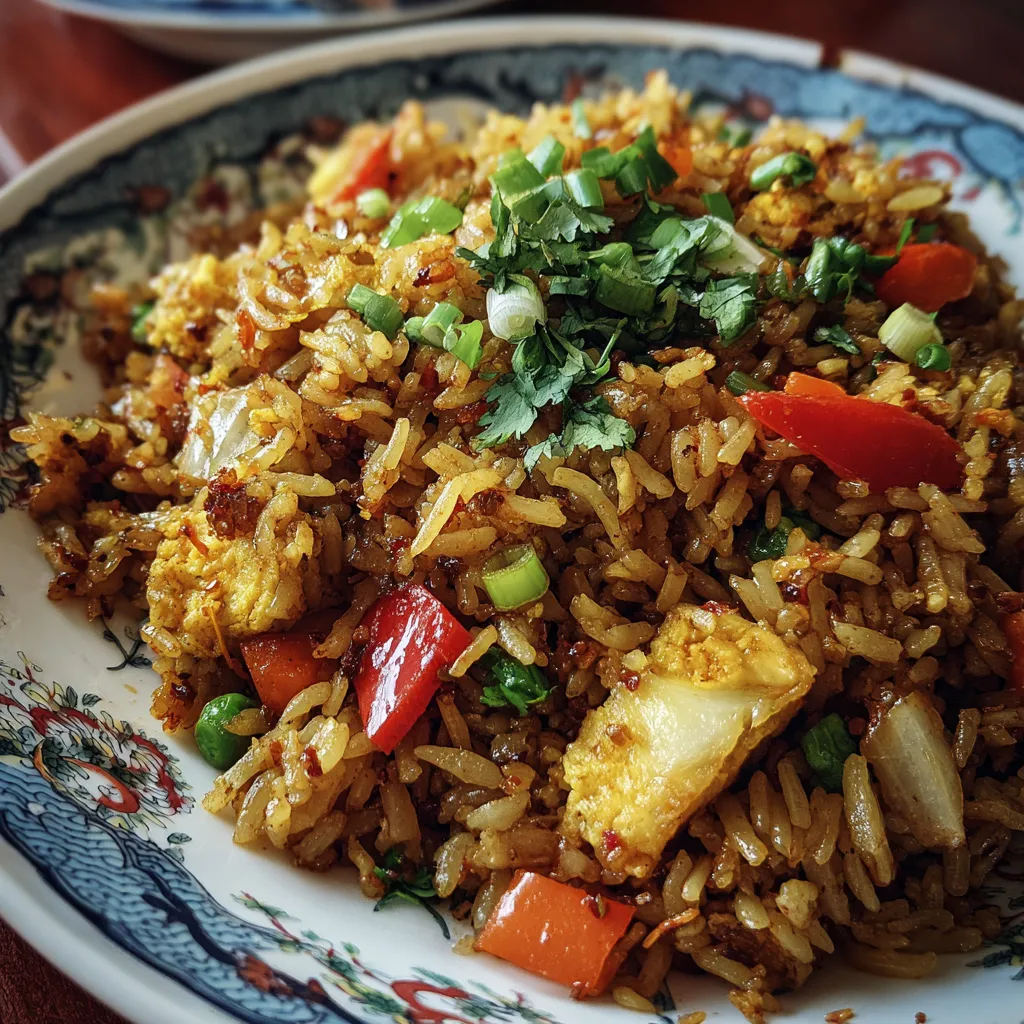

Spicy Sichuan Vegetable Fried Rice
Description
Crunchy carrot and pepper meet icy peas in this tongue-tingling fried rice, where numbing peppercorns and bold chili bean paste coat every grain in a spicy, aromatic embrace.
Ingredients
Instructions
-
Heat the vegetable oil in a wok or large skillet over medium-high heat.
-
Add the Sichuan peppercorns and cook until fragrant, about 30 seconds, then remove them if you prefer less crunch.
-
Stir in the garlic and ginger and cook for 1 minute until aromatic.
-
Add the carrot, peas, and red bell pepper and stir-fry for 2–3 minutes until just tender.
-
Push the vegetables to one side of the wok and add the chili bean paste, soy sauce, rice vinegar, and sugar; stir to combine.
-
Add the chilled rice and tofu (if using) and toss everything together, breaking up any clumps of rice.
-
Drizzle the toasted sesame oil over the rice, season with salt to taste, and stir in half of the green onions.
-
Remove from heat and garnish with the remaining green onions and chopped cilantro before serving.
Note
- Use day-old rice for the best texture and to prevent sogginess.
- Adjust the amount of chili bean paste to control the level of spiciness.
- Lightly toast the Sichuan peppercorns beforehand for extra aroma.
- Feel free to add other proteins like shrimp or chicken for variation.

