

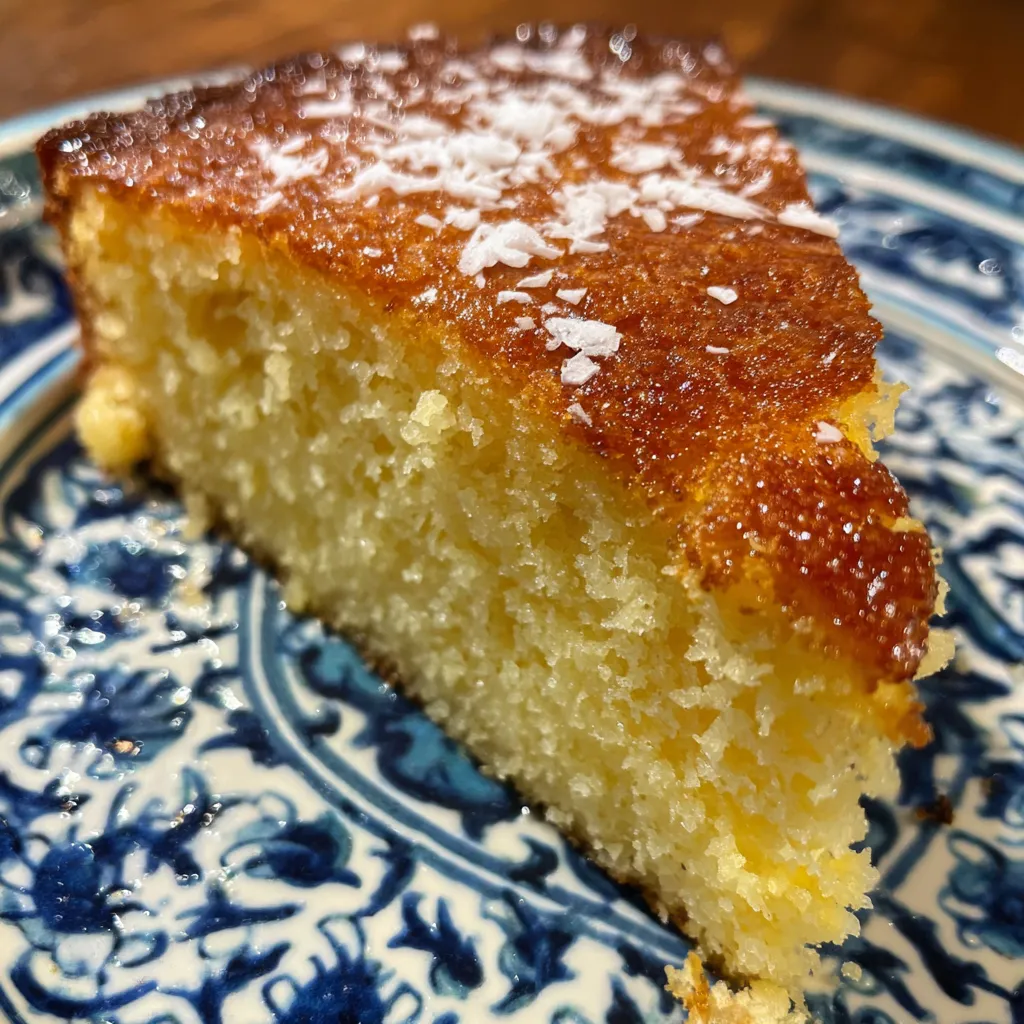
French Butter Cake is a golden, buttery cake with a tender crumb that fills the kitchen with warm vanilla aroma. Soft, buttery layers release a gentle vanilla scent as you slice through the light, fluffy crumb. Each bite melts on the tongue, balancing sweet richness with a hint of milk for a timeless French treat. Whether you’re gathering for dessert or an afternoon snack, this beginner-friendly cake invites you to roll up your sleeves, bake along, and savor every delicious moment.
Key Ingredients
Before diving into the batter, let’s gather the simple ingredients that give this cake its classic texture and flavor:
- 200 grams unsalted butter at room temperature: Creamed with sugar to create a light, fluffy base that lends richness and moisture.
- 200 grams granulated sugar: Sweetens and helps incorporate air when creamed with butter for a tender crumb.
- 4 large eggs: Provide structure, moisture, and help trap air for a light cake texture.
- 250 grams all-purpose flour: Forms the cake’s body and structure when combined with leavening agents.
- 2 teaspoons baking powder: Acts as the leavening agent to give height and fluffiness.
- 1/4 teaspoon salt: Enhances flavor by balancing the sweetness and accentuating vanilla notes.
- 1 teaspoon vanilla extract: Infuses the cake with warm, aromatic vanilla flavor.
- 2 tablespoons milk: Adds just enough moisture to smooth out the batter and guarantee a tender crumb.
How To Make French Butter Cake
Baking this French Butter Cake is a straightforward process that celebrates classic creaming and folding techniques, ensuring a moist interior and golden exterior. You’ll start by prepping your pan and beating butter with sugar to trap air, then gently incorporate eggs, dry ingredients, and a splash of milk. Follow these steps closely to achieve a uniformly textured, melt-in-your-mouth result.
1. Preheat the oven to 180°C and grease and flour an 8-inch round cake pan to prevent sticking.
2. In a bowl, cream the unsalted butter and granulated sugar until light and fluffy, about 3–5 minutes, scraping down the sides as needed.
3. Add the eggs one at a time, beating well after each addition: this builds volume and a smooth emulsion.
4. Stir in the vanilla extract until evenly combined, ensuring every bit of batter picks up that fragrant flavor.
5. Sift the all-purpose flour, baking powder, and salt into the bowl to avoid lumps and encourage an even rise.
6. Gently fold the dry ingredients into the wet mixture using a spatula until just combined—overmixing can make the cake tough.
7. Pour in the milk and stir lightly to create a smooth, ribbon-like batter.
8. Transfer the batter into the prepared cake pan and smooth the top with a spatula for an even bake.
9. Bake for 30 to 35 minutes, or until a toothpick inserted into the center comes out clean or with a few moist crumbs.
10. Allow the cake to cool in the pan for 10 minutes before transferring to a wire rack to finish cooling completely.
Serving Suggestions
This buttery cake is versatile and pairs beautifully with a range of accompaniments. Whether you want a simple treat or a dressed-up dessert, here are four delicious ways to serve it:
- A warm slice with coffee: Serve slightly warm alongside a freshly brewed latte or espresso to complement the cake’s richness.
- Berry compote topping: Spoon a vibrant mixed berry compote over each piece for a refreshing tart-sweet contrast.
- Dust of powdered sugar: Lightly sift powdered sugar over the cooled cake for an elegant, snow-like finish.
- Whipped cream dollop: Add a soft, lightly sweetened whipped cream on top and garnish with a mint leaf for extra flair.
Tips For Perfect French Butter Cake
Nailing this classic French Butter Cake is all about temperature and technique. With these tips, you’ll avoid common pitfalls and enjoy a tender crumb every time.
- Use room temperature butter and eggs for a smoother batter and better aeration.
- Do not overmix after adding flour to keep the cake tender and light.
- Cool the cake slightly before slicing to maintain its shape and avoid crumbling.
- Store in an airtight container at room temperature for up to two days to preserve moisture.
How To Store It
Proper storage keeps your French Butter Cake delightfully moist and flavorful for days. Follow these methods to maintain its texture and taste:
- Airtight container at room temperature: Once fully cooled, place the cake in a sealed container to lock in moisture for up to two days.
- Refrigeration: For warmer climates, wrap the cake in plastic wrap and refrigerate—it will stay fresh for up to three days.
- Freezing: Slice and wrap individual pieces in plastic, then foil; freeze for up to one month. Thaw overnight in the fridge.
- Reheating: Warm slices in a low oven (150°C) for 5 minutes to revive that just-baked softness.
Frequently Asked Questions
Here are answers to some common questions about baking and storing your French Butter Cake:
- How long does it take to prepare and bake the French Butter Cake?
It takes about 15 minutes to prepare the batter—including creaming butter and sugar, adding eggs and dry ingredients—plus 30 to 35 minutes of baking time and an additional 10 minutes of cooling in the pan before moving to a wire rack, for a total of roughly 55 to 60 minutes.
- Can I substitute other types of flour or milk in this recipe?
You can use cake flour in place of all-purpose flour for a lighter crumb, but avoid whole wheat flour or gluten-free blends without adjustment, as they can make the cake dense. Whole milk works best, but you may use buttermilk or a plant-based milk like almond or oat milk; reduce sugar by a teaspoon if using buttermilk to balance acidity.
- What are the signs that the cake batter is properly mixed and ready to bake?
The batter should be smooth and homogenous with no visible streaks of flour or butter. When you lift the spatula, the batter should fall in a thick ribbon and blend back into the bowl within a few seconds. Overmixing will break down the air you’ve incorporated, so stop folding as soon as the dry ingredients disappear.
- How do I prevent the cake from becoming dense or tough?
Always use room-temperature butter and eggs to ensure even blending and air incorporation. Measure flour by spooning it into the cup and leveling off rather than scooping directly. Gently fold the dry ingredients until just combined and avoid overbaking by testing with a toothpick at 30 minutes—remove the cake as soon as it comes out clean or with a few moist crumbs.
- What is the best way to store the French Butter Cake and how long will it stay fresh?
Once cooled completely, place the cake in an airtight container at room temperature; it will stay fresh for up to two days. If you leave it out longer, cover it well to prevent drying. You can refresh slightly stale slices by warming them in a low oven for 5 minutes.
- Can I freeze the French Butter Cake, and if so, how should I thaw it?
Yes, you can freeze the unfrosted cake whole or in individual slices. Wrap tightly in plastic wrap and then in aluminum foil to prevent freezer burn. Store for up to one month. Thaw overnight in the refrigerator or for a few hours at room temperature before serving.
- How can I add variations like lemon zest or berries to this recipe?
To incorporate lemon zest or orange zest, fold in one to two teaspoons of finely grated zest with the vanilla extract. For berries, gently fold 100 to 150 grams of fresh or frozen (and thawed) berries into the batter after the flour is combined, taking care not to overmix to avoid streaking the batter.
What Makes This Special
This French Butter Cake is truly a little slice of pastry heaven—its simplicity is its superpower! With just a handful of pantry staples and classic creaming technique, you get a tender crumb and warm vanilla flavor that melts in your mouth. It’s beginner-friendly yet impressive enough for guests, and you can proudly print this article to save for your next baking adventure. I’d love to hear how yours turns out—drop a comment, share your tweaks, or ask any questions if you need a helping hand!

French Butter Cake
Description
Soft, buttery layers release a gentle vanilla scent as you slice through the light, fluffy crumb. Each bite melts on the tongue, balancing sweet richness with a hint of milk for a timeless French treat.
Ingredients
Instructions
-
Preheat the oven to 180°C and grease and flour an 8-inch round cake pan.
-
In a bowl, cream the unsalted butter and granulated sugar until light and fluffy.
-
Add the eggs one at a time, beating well after each addition.
-
Stir in the vanilla extract until evenly combined.
-
Sift the all-purpose flour, baking powder, and salt into the bowl.
-
Gently fold the dry ingredients into the wet mixture until just combined.
-
Pour in the milk and stir lightly to create a smooth batter.
-
Transfer the batter into the prepared cake pan and smooth the top.
-
Bake for 30 to 35 minutes, or until a toothpick inserted into the center comes out clean.
-
Allow the cake to cool in the pan for 10 minutes before transferring to a wire rack.
Note
- Use room temperature butter and eggs for a smoother batter.
- Do not overmix after adding flour to keep the cake tender.
- Cool the cake slightly before slicing to maintain its shape.
- Store in an airtight container at room temperature for up to two days.

