

Edible Cookie Dough is a safe, creamy, chocolate-studded dough you can scoop straight from the bowl—no oven needed. Enjoy a velvety blend of butter, sugar, and heat-treated flour swirled with mini chocolate chips for a guilt-free, spoonable treat you can savor anytime. This beginner-friendly dessert pulls together in minutes and satisfies every cookie craving without the bake time, so grab a spoon and let’s dive in!
Key Ingredients
Gathering a handful of simple pantry staples is all you need to whip up this edible cookie dough. Each ingredient plays a key role in creating that smooth, sweet, and chocolatey bite you crave.
- 1 cup all-purpose flour (heat-treated): Provides structure and safety, giving the dough its signature texture once heat-treated.
- 1/2 cup unsalted butter, softened: Adds richness and creaminess, helping to bind the dough together.
- 1/2 cup granulated sugar: Sweetens the dough and contributes to that classic cookie-dough flavor.
- 1/4 cup brown sugar, packed: Brings a hint of molasses depth and additional chewiness.
- 1 teaspoon vanilla extract: Lends aromatic sweetness and enhances all the other flavors.
- 2 tablespoons milk: Adjusts dough consistency, making it scoopable without being too dry.
- 1/4 teaspoon salt: Balances sweetness and deepens the overall taste.
- 1/2 cup mini chocolate chips: Delivers bursts of melty chocolate in every bite.
How To Make Edible Cookie Dough
Ready to whip up this no-bake wonder? In just a few simple steps, you’ll heat-treat your flour, cream your sugars and butter, and fold in chocolate chips to create that dreamy scoopable dough. Follow the process below, paying attention to heat-treating and mixing techniques to achieve the perfect texture.
1. Preheat your oven to 350°F and spread the flour evenly on a rimmed baking sheet to prepare for heat-treating.
2. Bake the flour for 5 minutes, then let it cool completely on the sheet to ensure it’s safe for raw consumption.
3. In a mixing bowl, beat the softened butter on medium speed until smooth and creamy.
4. Add granulated sugar and brown sugar, continuing to beat until the mixture turns light and fluffy.
5. Mix in vanilla extract and salt until everything is fully combined and fragrant.
6. Gradually add milk, one tablespoon at a time, mixing thoroughly until the dough reaches your desired scoopable consistency.
7. Fold in the heat-treated flour with a spatula, stirring until no streaks of flour remain.
8. Stir in mini chocolate chips by hand to distribute them evenly throughout the dough.
Serving Suggestions
Whether you’re hosting a movie night or craving a midnight snack, these serving ideas will elevate your edible cookie dough experience to the next level:
- Serve in small glass jars for individual portions—you can even seal and gift them to friends!
- Top with a scoop of vanilla ice cream and drizzle with caramel sauce for a decadent sundae twist.
- Use as a fruit dip alongside sliced strawberries, bananas, or apple wedges for a fruity contrast.
- Layer between graham crackers to build an instant icebox sandwich for a fun handheld treat.
Tips For Perfect Edible Cookie Dough
Mastering this edible cookie dough is all about those little tweaks that make each bite irresistibly smooth and flavorful. From the right flour treatment to balancing moisture, these friendly pointers will keep your dough dreamy every time.
- Heat-treating flour is essential to make it safe for raw consumption.
- Store the cookie dough in an airtight container in the refrigerator for up to 5 days.
- You can freeze individual dough portions on a tray, then transfer to a freezer bag for up to 2 months.
- This dough is intended for eating raw and is not formulated for baking into traditional cookies.
How To Store It
Keeping your edible cookie dough fresh and delicious is simple with the right storage methods. Whether you want to enjoy it over a few days or stash some for later, these tips will preserve taste and texture.
- Refrigerate in an Airtight Container: Seal in glass or plastic for up to 5 days, so the dough stays soft and ready to scoop.
- Freeze Individual Portions: Roll into tablespoon-sized balls, freeze on a tray, then transfer to a freezer bag for up to 2 months.
- Label and Date: Always mark your containers to keep track of freshness and avoid confusion.
- Thaw Properly: Move frozen dough to the refrigerator for a few hours before scooping to maintain its creamy texture.
Frequently Asked Questions
Here are some common questions to help you nail your edible cookie dough every time:
- Why is heat-treating the flour necessary?
A: Flour can contain harmful bacteria such as E. coli, so baking it at 350°F for 5 minutes kills any pathogens. Make sure to spread the flour evenly on a baking sheet and allow it to cool completely before using it in the dough.
- How can I tell when the heat-treated flour has cooled enough to use?
A: The flour should feel completely at room temperature with no warm spots. After its 5-minute bake, let it sit on the counter for at least 10–15 minutes, stirring occasionally to release residual heat before combining it with the other ingredients.
- My dough is too stiff—how can I soften it to get the right consistency?
A: Add the milk one tablespoon at a time and mix thoroughly until the dough loosens. If you accidentally add too much milk, gently fold in a teaspoon of additional heat-treated flour until the dough firms back up without becoming crumbly.
- Can I make this recipe dairy-free or use alternative sweeteners?
A: Yes. Substitute plant-based butter (such as vegan butter or coconut oil) for the unsalted butter and use almond, soy, or oat milk in place of dairy milk. If you swap in liquid sweeteners like maple syrup or agave, reduce the milk slightly to maintain the correct dough texture.
- How should I store leftover edible cookie dough?
A: Transfer the dough into an airtight container and refrigerate for up to 5 days. For longer storage, portion the dough into tablespoon-sized balls on a baking sheet, freeze until solid, then move them into a freezer bag for up to 2 months.
- Is this dough safe to serve to children or those with weakened immune systems?
A: As long as the flour is properly heat-treated and all other ingredients are fresh, the dough is generally safe. However, anyone with a compromised immune system or severe allergies should consult a medical professional before consuming raw dough products.
- Can I bake this dough into traditional cookies?
A: This dough is formulated for safe raw consumption and contains more moisture than typical baking dough. While you can bake spoonfuls at 350°F for 8–10 minutes, expect a softer, more cake-like cookie rather than a crisp traditional cookie.
What Makes This Special
What sets this Edible Cookie Dough apart is its balance of safety and indulgence—no eggs, no bacteria worries, just pure doughy bliss. It’s perfect for sharing straight from the jar or sneaking bites at midnight. Feel free to print this article and save it for your next dessert craving. If you give it a whirl or have any questions, drop a comment below and let me know how your edible adventure turned out!
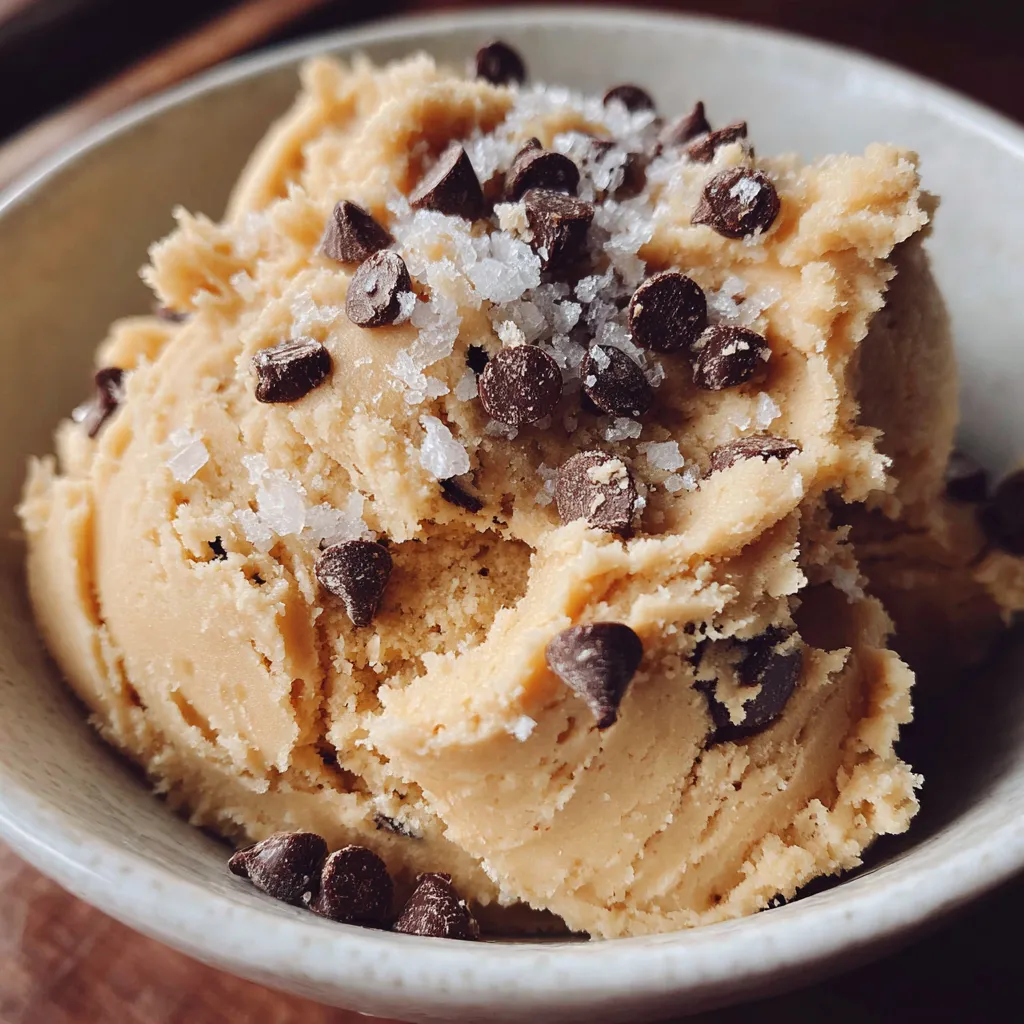

Edible Cookie Dough
Description
Enjoy a velvety blend of butter, sugar, and heat-treated flour swirled with mini chocolate chips for a guilt-free, spoonable treat you can savor anytime.
Ingredients
Instructions
-
Preheat oven to 350°F and spread the flour evenly on a baking sheet.
-
Bake the flour for 5 minutes to heat-treat, then let it cool completely.
-
In a mixing bowl, beat the softened butter until smooth.
-
Add granulated sugar and brown sugar and continue beating until creamy.
-
Mix in vanilla extract and salt until combined.
-
Gradually add milk, one tablespoon at a time, until the dough reaches your desired consistency.
-
Fold in the heat-treated flour until no streaks remain.
-
Stir in mini chocolate chips by hand.
Note
- Heat-treating flour is essential to make it safe for raw consumption.
- Store the cookie dough in an airtight container in the refrigerator for up to 5 days.
- You can freeze individual dough portions on a tray, then transfer to a freezer bag for up to 2 months.
- This dough is intended for eating raw and is not formulated for baking into traditional cookies.

