

Succulent pork tenderloin is bathed in a lively blend of minced garlic, fresh rosemary, thyme, parsley, and bright lemon before searing to a golden crust and roasting to juicy perfection. With a tangy swirl of balsamic vinegar and Dijon mustard accenting every bite, this Garlic Herb Pork Tenderloin transforms weeknight dinner into a flavor-packed celebration. Whether you’re aiming for a crowd-pleaser or a simple midweek meal, this easy yet impressive recipe invites you to roll up your sleeves and dive right into a truly delicious adventure.
Key Ingredients
Gathering top-quality ingredients ensures every slice of this tenderloin bursts with flavor. Here’s what you’ll need:
- 1 pork tenderloin (about 1 to 1.5 pounds): Lean, tender cut that becomes succulent and juicy when marinated and roasted.
- 4 cloves garlic, minced: Pungent aromatic that infuses the meat with savory depth.
- 2 tablespoons fresh rosemary, chopped (or 1 tablespoon dried rosemary): Earthy herb adding fragrant pine-like notes to the marinade.
- 2 tablespoons fresh thyme, chopped (or 1 tablespoon dried thyme): Delicate herb that brings a subtle lemony, minty kick.
- 1 tablespoon fresh parsley, chopped: Bright herb that balances richness with a fresh, clean finish.
- 1 teaspoon salt: Essential seasoning that highlights all the herb and citrus flavors.
- 1/2 teaspoon black pepper: Adds mild heat and aromatic warmth.
- 3 tablespoons olive oil: Binds the marinade and helps carry flavors onto the pork.
- 2 tablespoons balsamic vinegar: Brings tangy sweetness and depth.
- 1 teaspoon Dijon mustard: Provides a sharp, tangy bite that emulsifies the marinade.
- Zest of 1 lemon: Intense citrus aroma that lifts and brightens the overall flavor.
- Juice of 1 lemon: Adds acidity to tenderize the meat and balance the richness.
How To Make Garlic Herb Pork Tenderloin
Following these steps, you’ll transform your pork tenderloin from simple to spectacular. The process blends a vibrant herb and lemon marinade with a quick sear that locks in juices, then a roast to tender perfection. Whether you’re prepping ahead or cooking right away, each step is designed to maximize flavor and ensure a beautiful golden crust. Grab your skillet and let’s get cooking!
1. Preheat your oven to 400°F (200°C) and position a rack in the center to ensure even roasting.
2. In a small mixing bowl, combine the minced garlic, chopped rosemary, thyme, parsley, salt, black pepper, olive oil, balsamic vinegar, Dijon mustard, lemon zest, and lemon juice. Stir thoroughly to form a vibrant marinade with well-distributed flavors.
3. Rinse the pork tenderloin under cold water and pat it completely dry with paper towels; this ensures the marinade adheres evenly.
4. Place the tenderloin in a large zip-top bag or shallow dish and pour the marinade over it. Seal or cover, then refrigerate for at least 30 minutes, or up to 4 hours for maximum infusion.
5. Remove the tenderloin from the refrigerator 15 minutes before cooking to bring it to room temperature, helping it cook evenly.
6. Heat a large, oven-safe skillet over medium-high heat. Add a splash of olive oil if needed. Once shimmering hot, sear the pork for 2–3 minutes per side to develop a golden-brown crust.
7. Transfer the skillet to the preheated oven and roast for 15–20 minutes, or until an instant-read thermometer reads 145°F (63°C) in the thickest part.
8. Remove the skillet from the oven and transfer the pork to a cutting board. Tent loosely with foil and rest for 5–10 minutes to allow the juices to redistribute.
9. Slice the tenderloin into medallions and serve warm, drizzling any remaining pan juices over the meat for extra flavor.
Serving Suggestions
Pairing this Garlic Herb Pork Tenderloin with complementary sides elevates your meal to restaurant level while keeping things approachable. From bright salads to hearty sides, these suggestions will help you craft a balanced plate that highlights the succulent pork. Follow these ideas to serve your dish like a pro:
- Roasted vegetables: Toss carrots, Brussels sprouts, or asparagus in olive oil, salt, and pepper, then roast at 400°F until caramelized and tender.
- Fresh green salad: Combine mixed greens, cherry tomatoes, and thinly sliced red onion, then dress with a simple lemon vinaigrette for a crisp contrast.
- Garlic mashed potatoes: Blend boiled potatoes with butter, minced garlic, and a splash of milk for creamy comfort that soaks up pan juices.
- Creamy polenta: Stir cornmeal with chicken broth and Parmesan until velvety smooth, offering a rich base for the sliced pork.
Tips For Perfect Garlic Herb Pork Tenderloin
Mastering this dish is all about balance and timing. A little advance prep, attention to temperature, and smart seasoning tweaks will take your pork from good to unforgettable. Whether you’re a seasoned cook or new to roasting tenderloin, these tips help ensure every slice is moist, flavorful, and beautifully textured.
- For extra flavor, consider adding some crushed red pepper flakes to the marinade for a bit of heat.
- This dish pairs wonderfully with roasted vegetables or a fresh salad for a complete, well-rounded meal.
- Leftovers can be sliced and used in sandwiches, salads, or pasta dishes for versatile meal options.
How To Store It
Storing your Garlic Herb Pork Tenderloin properly will keep those savory juices intact and flavors bright, so each reheated slice tastes just like the first night. Whether you’re planning to enjoy leftovers tomorrow or freeze them for a future meal, these storage methods will help maintain texture and freshness.
- Refrigerate leftovers in an airtight container for up to 3–4 days to preserve juiciness and flavor.
- Freeze sliced medallions in a freezer-safe bag, removing excess air, for up to 2 months—perfect for quick meals.
- Label each container or bag with the date of storage so you can track freshness and use within recommended time.
- Thaw frozen pork overnight in the refrigerator for safe, even reheating when you’re ready to enjoy leftovers.
Frequently Asked Questions
Got questions about timing, herbs, or leftovers? Here are answers to common queries that will guide you through cooking, storing, and customizing this pork tenderloin.
- How long does it take to prepare this recipe?
This recipe takes about 10–15 minutes of active prep time for mincing garlic, chopping herbs, and mixing the marinade. You then need at least 30 minutes to marinate (though 2–4 hours is ideal) plus 15–20 minutes for searing and roasting. Finally, allow 5–10 minutes of resting time before slicing, for a total of roughly 1 to 1½ hours from start to finish if marinating longer.
- Can I use dried herbs instead of fresh, and are adjustments needed?
Yes. Use half the amount of dried herbs (1 tablespoon dried rosemary and 1 tablespoon dried thyme) in place of fresh. Since dried herbs are more concentrated, you won’t need to adjust other ingredients. Ensure you mix the marinade well so the dried herbs bloom and infuse flavor.
- What’s the best way to ensure the pork tenderloin cooks evenly?
Let the marinated pork rest at room temperature for 15 minutes before cooking; this prevents the center from being too cold. Sear the tenderloin over medium-high heat to develop a crust, then transfer it to a 400°F oven. Use an instant-read thermometer and roast until the internal temperature reaches 145°F (63°C) for perfect doneness.
- How should I store and reheat leftovers?
Slice any leftover pork tenderloin and store in an airtight container in the refrigerator for up to 3–4 days. To reheat, place slices on a baking sheet, cover lightly with foil, and warm in a 325°F oven for 10–15 minutes or until heated through. You can also gently reheat slices in a skillet over medium heat with a splash of olive oil.
- Can I prepare the marinade in advance or freeze it?
You can mix the marinade up to a day in advance and store it in the refrigerator. However, avoid freezing it with raw pork, as freezing and thawing can affect meat texture. If you’d like to freeze, cook the pork first, then freeze the sliced meat and any extra marinade or pan juices in a sealed container for up to 2 months.
- What side dishes pair well with Garlic Herb Pork Tenderloin?
Roasted vegetables like carrots, Brussels sprouts, or asparagus complement the herb flavors beautifully. A crisp green salad with a lemon vinaigrette, garlic mashed potatoes, or creamy polenta also work well. You can drizzle pan juices over any side for added richness.
- How can I add a bit of heat to this dish?
Stir ¼–½ teaspoon of crushed red pepper flakes into the marinade for a gentle kick. If you prefer a stronger heat, serve with a side of spicy mustard or a drizzle of chili oil over the sliced pork. Ensure the spiciness balances the herb and citrus notes without overpowering them.
What Makes This Special
There’s something magical about a simple pork tenderloin transformed by garlic, fresh herbs, and a zing of lemon. The quick sear locks in juicy tenderness, while the roast finishes each slice to perfect pink-tinged succulence. This recipe works because the marinade’s balance of savory, tangy, and herby notes lets every flavor shine without overpowering the pork’s natural richness. Feel free to print and save this guide so you can revisit these tips any time you crave a delicious, home-cooked showstopper. If you try it, drop a comment or question below—I’d love to hear how your Garlic Herb Pork Tenderloin turns out!
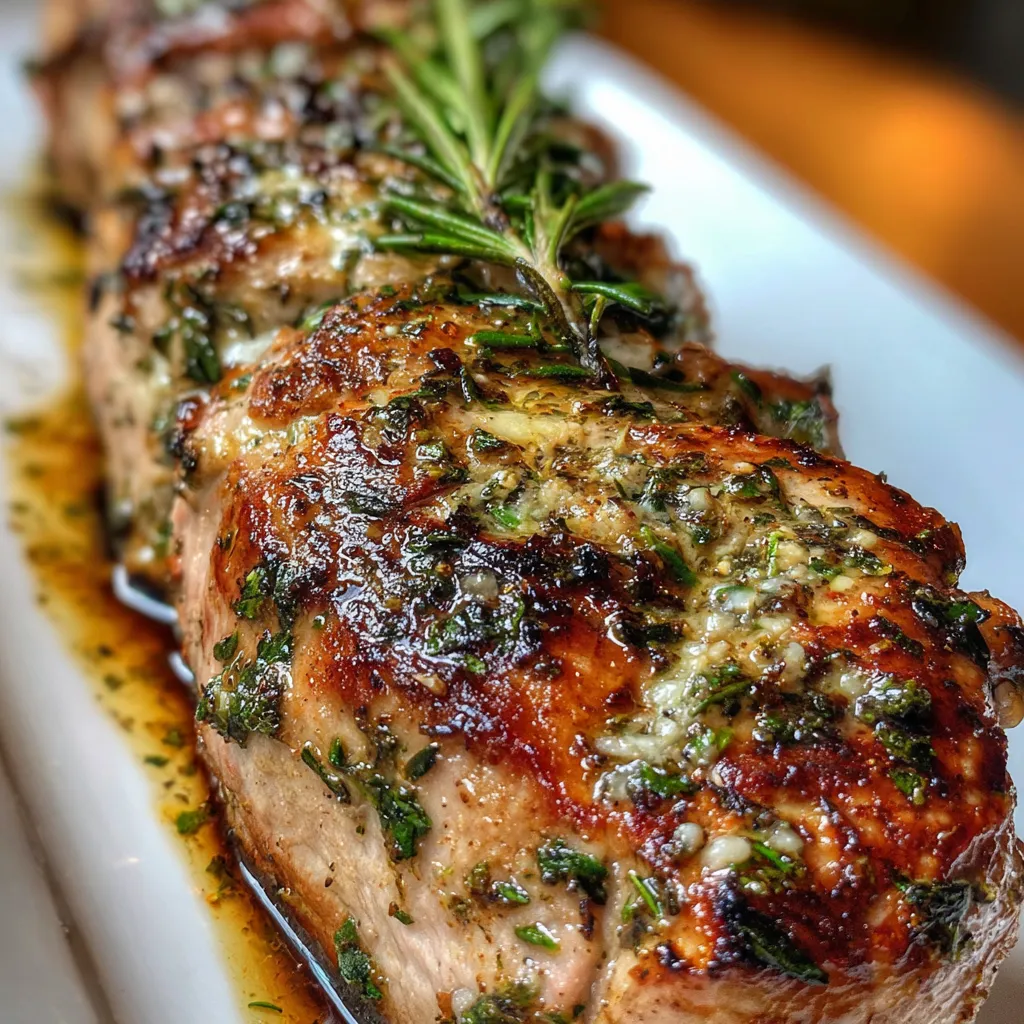

Garlic Herb Pork Tenderloin
Description
A succulent pork tenderloin is massaged with a fragrant blend of garlic, fresh herbs, and tangy lemon, then seared to a golden crust and roasted until tender. Each slice releases aromatic juices bursting with savory, herbed flavor.
Ingredients
Instructions
-
Preheat your oven to 400°F (200°C) to prepare for roasting the pork tenderloin.
-
In a small mixing bowl, combine the minced garlic, chopped rosemary, thyme, parsley, salt, black pepper, olive oil, balsamic vinegar, Dijon mustard, lemon zest, and lemon juice. Mix these ingredients thoroughly to create a marinade.
-
Rinse the pork tenderloin under cold water and pat it dry with paper towels. This step helps the marinade adhere to the meat better.
-
In a large zip-top bag or a shallow dish, place the pork tenderloin and pour the marinade over it. Ensure that the tenderloin is evenly coated. Seal the bag or cover the dish and marinate in the refrigerator for at least 30 minutes, but for best results, leave it for 2 to 4 hours.
-
Remove the marinated pork tenderloin from the refrigerator and let it sit at room temperature for about 15 minutes before cooking. This helps it cook more evenly.
-
Heat a large, oven-safe skillet over medium-high heat. Add a little olive oil if necessary. Once the skillet is hot, sear the pork tenderloin for about 2-3 minutes on each side until it develops a nice browned crust.
-
After searing, transfer the skillet to the preheated oven. Roast the pork tenderloin for about 15-20 minutes, or until the internal temperature reaches 145°F (63°C) when tested with a meat thermometer.
-
Once cooked, remove the tenderloin from the oven and transfer it to a cutting board. Cover it loosely with aluminum foil and let it rest for 5-10 minutes to allow the juices to redistribute.
-
Slice the pork tenderloin into medallions and serve it warm, drizzling any remaining juices from the skillet over the sliced meat for added flavor.
Note
- For extra flavor, consider adding some crushed red pepper flakes to the marinade for a bit of heat.
- This dish pairs wonderfully with roasted vegetables or a fresh salad for a complete meal.
- Leftovers can be sliced and used in sandwiches, salads, or pasta dishes for versatile meal options.

