

There’s something undeniably satisfying about pulling a golden, crusty loaf of bread fresh from the oven and knowing you made it yourself. Rustic Artisan Einkorn Bread is the kind of showstopper that turns any kitchen into a cozy bakery, and it all starts with the humble einkorn grain—one of the earliest forms of wheat known to humankind. This ancient grain delivers a slightly sweet, nutty flavor that just sings when baked into a no-knead loaf. I still get butterflies thinking about the first time I tasted a slice: the crackling of the crust under my knife, the tender, open crumb dotted with little air pockets, and that gentle hint of sweetness dancing on my tongue.
I love how straightforward this recipe is, even if you’ve never baked before. With just four simple pantry staples—whole grain einkorn flour, sea salt, instant yeast, and warm water—you can achieve bakery-worthy results without breaking a sweat. And that long, slow fermentation? It’s pure magic, allowing flavors to deepen and textures to transform while you go about your day. By the time you’re ready to bake, the dough is bubbly and alive, practically begging to become a fragrant loaf. Whether you’re making it for a casual lunch, a hearty dinner, or just a quiet Sunday morning slice with butter, this bread feels like a warm hug from the inside out.
KEY INGREDIENTS IN RUSTIC ARTISAN EINKORN BREAD
Every great loaf begins with quality ingredients, and this Rustic Artisan Einkorn Bread is no exception. Let’s dive into each component and explore how it contributes to the flavor, texture, and overall magic of this no-knead recipe.
- Whole Grain Einkorn Flour
Einkorn flour brings a mild, nutty sweetness and a golden hue to the loaf. Being a heritage grain, it retains more of its natural nutrients and offers a delightful, rustic texture that defines this artisan bread.
- Sea Salt
Sea salt not only seasons the dough but also strengthens the gluten structure, allowing the loaf to develop a beautiful crust while balancing the natural sweetness of the einkorn flour.
- Instant Yeast
Instant yeast offers reliable, consistent rise without any fuss. It lifts the dough gently, creating those signature air pockets that give the loaf its light, open crumb.
- Warm Water
Warm water around 100°F activates the yeast and hydrates the flour, kickstarting fermentation and helping proteins and starches gel together for that tender crumb.
- Cornmeal or Additional Flour for Dusting
A light dusting of cornmeal or extra flour prevents sticking and adds a rustic, slightly crunchy texture to the bottom of the loaf, enhancing every bite.

HOW TO MAKE RUSTIC ARTISAN EINKORN BREAD
Let’s walk through the simple yet transformative process of turning basic ingredients into a stunning, crusty loaf. With minimal hands-on time and no kneading required, you’ll be amazed at how easy it is to bake bread that looks and tastes like it came from a country bakery.
1. In a large mixing bowl, whisk together the einkorn flour, sea salt, and instant yeast until well combined. This ensures even distribution of salt and yeast throughout the flour.
2. Gradually add the warm water to the dry ingredients, stirring with a wooden spoon until a shaggy ball forms. Avoid overmixing; the dough should remain sticky and loose.
3. Cover the bowl with a clean kitchen towel or plastic wrap, and let the dough rise at room temperature for 12–18 hours. You’ll know it’s ready when it has doubled in size and appears bubbly on the surface.
4. Generously flour a work surface and gently turn out the dough, folding it just a few times to form a loose ball. Handle it carefully to preserve all those lovely gas pockets.
5. Line a baking sheet or a pizza peel with parchment paper and dust with cornmeal or additional flour. Place the dough on the prepared surface, seam side down.
6. Cover the dough with the towel and let it rise for another 1–2 hours until it has puffed up noticeably.
7. Preheat the oven to 450°F (230°C), and place a Dutch oven or heavy oven-proof pot with its lid inside the oven to heat up for about 30 minutes.
8. Carefully remove the hot pot from the oven, take off the lid, and quickly but gently transfer the dough, along with the parchment paper, into the pot.
9. Cover the pot with the lid and bake for 30 minutes. Then remove the lid and bake for an additional 10–15 minutes, or until the bread is golden brown and sounds hollow when tapped on the bottom.
10. Remove the bread from the pot and allow it to cool completely on a wire rack before slicing to ensure the best texture and crumb.
SERVING SUGGESTIONS FOR RUSTIC ARTISAN EINKORN BREAD
Serving this hearty loaf is half the fun. Its inviting crust and tender interior make it a canvas for endless flavor combinations. Whether you’re planning a leisurely lunch, an elegant dinner spread, or a cozy morning treat, here are some ideas to elevate your einkorn bread experience and make every bite memorable.
- Butter-Dipped Perfection
Slice the bread while it’s still slightly warm and slather on a pat of high-quality, creamy butter. The heat will melt the butter into the crumb, creating a rich, indulgent bite that’s hard to resist.
- Honey and Fruit Pairing
Drizzle fresh, runny honey over toasted slices and top with seasonal fruit like figs or berries. The natural sweetness of the honey plays beautifully against the bread’s nutty depth, transforming your slice into a breakfast masterpiece.
- Gourmet Sandwich Base
Use thick-cut slices for bold sandwiches—think melted mozzarella with sun-dried tomatoes, or turkey, avocado, and crisp lettuce. The bread’s sturdy structure holds ingredients perfectly without turning soggy.
- Cheese Board Essential
Arrange thin slices alongside a selection of cheeses—brie, aged cheddar, or a tangy goat cheese—and add olives, nuts, and cured meats for a charming appetizer or light dinner that invites friends to graze and chat.
HOW TO STORE RUSTIC ARTISAN EINKORN BREAD
Proper storage will help you savor every slice of this artisan loaf without sacrificing its signature crust or tender crumb. Here are some tried-and-true methods to keep your bread fresh, whether you plan to enjoy it over the next day or save it for weeks.
- Room Temperature in a Linen or Paper Bag
Wrap the cooled loaf in a clean linen or paper bag to allow just enough airflow, preventing the crust from becoming soggy. Stored this way, your bread can stay fresh for 2–3 days.
- Freezing for Long-Term Enjoyment
Slice the loaf before freezing, then wrap individual slices in plastic wrap or place them in a freezer-safe bag. Freeze for up to three months, and simply thaw at room temperature or toast directly from frozen.
- Gentle Refrigeration (Short-Term Only)
If your kitchen is very humid, you can store the loaf in an airtight container in the fridge for 3–4 days. Note that refrigeration may slightly accelerate staling, so consider this option only when necessary.
- Reviving the Crust
When you’re ready to enjoy leftover slices, reheat in a preheated 350°F oven for 5–7 minutes. This quick bake restores that irresistible crust while warming the interior for a fresh-out-of-the-oven feel.
CONCLUSION
Baking Rustic Artisan Einkorn Bread for a Heartwarming Experience is more than just following a recipe; it’s a journey into the art of simple, soulful baking. From whisking together the wholesome einkorn flour and sea salt to letting the dough bubble away during its long, slow rise, each step brings you closer to a loaf that’s brimming with flavor and character. This no-knead method takes the intimidation out of bread-making, making it accessible for beginners while still delivering a result that impresses seasoned bakers. Whether you’re gathering around the table for a cozy dinner or slicing off a piece for your workday lunch, this bread’s nutty aroma and golden crust are sure to bring smiles and satisfied sighs.
Feel free to print this article and save it for later—you’ll want to keep these instructions close at hand whenever a bread-baking mood strikes. Below, you’ll find a handy FAQ section to address any lingering questions you might have, from gluten considerations to the best ways to tweak fermentation. If you give this recipe a try, I’d love to hear how it turned out! Leave your comments, questions, or feedback—even if you ran into a hiccup, I’m here to help you perfect this heartwarming loaf. Happy baking!
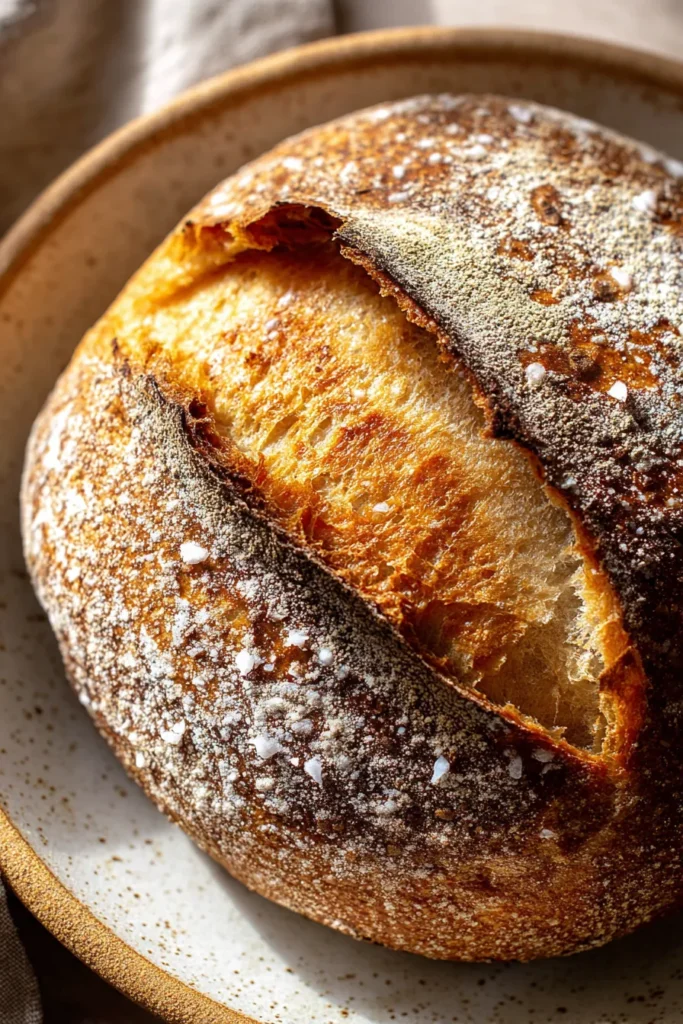

Rustic Artisan Einkorn Bread
Description
Savor the nutty flavor and delightful crust of this no-knead Einkorn bread, perfect for sandwiches or enjoyed fresh with butter. A rustic loaf that’s easy to bake!
Ingredients
Instructions
-
In a large mixing bowl, whisk together the einkorn flour, sea salt, and instant yeast until well combined.
-
Gradually add the warm water to the dry ingredients, stirring with a wooden spoon until a shaggy ball forms. Do not overmix; the dough will be sticky and somewhat loose.
-
Cover the bowl with a clean kitchen towel or plastic wrap, and let the dough rise at room temperature for 12-18 hours. The dough is ready when it has doubled in size and appears bubbly on the surface.
-
Generously flour a work surface and gently turn out the dough, folding it just a few times to form a loose ball. Be gentle to avoid deflating the dough.
-
Line a baking sheet or a pizza peel with parchment paper and dust with cornmeal or flour. Place the dough on the prepared surface, seam side down.
-
Cover the dough with the towel and let it rise for another 1-2 hours until it has puffed up.
-
Preheat the oven to 450°F (230°C), and place a Dutch oven or heavy oven-proof pot with its lid inside the oven to heat up for about 30 minutes.
-
Carefully remove the hot Dutch oven from the oven, remove the lid, and quickly and gently transfer the dough, along with the parchment paper, into the pot.
-
Cover the pot with the lid and bake for 30 minutes. Then remove the lid and bake for an additional 10-15 minutes, or until the bread is golden brown and sounds hollow when tapped on the bottom.
-
Remove the bread from the pot and allow it to cool completely on a wire rack before slicing.
Note
- Einkorn flour has a slightly sweet and nutty flavor, which adds a unique taste to this bread.
- This recipe does not require kneading, making it perfect for those who enjoy simple, hands-off bread making.
- The lengthy fermentation time enhances the natural flavors and textures of the einkorn flour.
- This bread pairs wonderfully with a variety of toppings, such as butter, honey, or cheese.
- Always allow the bread to cool fully before slicing to ensure the best texture and crumb.

