

Scrambled eggs with soy sauce bring a delightful twist to a classic breakfast favorite, transforming simple ingredients into a dish bursting with deep, savory flavor. The velvety eggs soak up that touch of umami magic, giving every bite a silky richness you wouldn’t expect from a five-minute brunch recipe. Whether you’re rushing through a weekday morning or treating yourself to a leisurely weekend spread, these scrambled eggs elevate the moment with a whisper of soy that dances on your taste buds. They’re approachable enough for kitchen novices and exciting enough for seasoned home cooks looking to shake up the ordinary.
What makes this dish so special is the balance between creamy eggs and salty soy sauce, creating waves of flavor and texture that beg for a second helping. As the eggs cook low and slow, they develop a satisfying softness that contrasts beautifully with the gentle pop of optional scallions or chili slices on top. It’s a show of simplicity meeting sophistication, proving that a handful of pantry staples can create something unforgettable. Gather your ingredients, warm up your skillet, and get ready to indulge in an effortless yet gourmet-style breakfast that tastes far more complex than the time it takes to prepare.
KEY INGREDIENTS IN SCRAMBLED EGGS WITH SOY SAUCE
Before we dive into the sizzling skillet, let’s gather the star players for this recipe. Each component has a specific role, from flavor building to achieving that perfectly creamy texture. When you understand how these ingredients work together, you’ll be ready to improvise with confidence and make this dish uniquely yours.
- Eggs
Large eggs form the creamy foundation of this recipe. Their protein structure sets into tender curds when gently cooked, and their rich yolks contribute color, thickness, and a luscious mouthfeel.
- Soy Sauce
This savory seasoning adds layers of umami, saltiness, and depth. It transforms plain eggs into something surprisingly complex with each drop, so choose a soy sauce you enjoy sipping plain.
- Unsalted Butter or Cooking Oil
A slick of butter or neutral oil prevents sticking and helps the eggs cook evenly. Butter lends a hint of sweetness and richness, while oil keeps flavors clean and bright.
- Scallion
Thinly sliced scallions bring a fresh, sharp note that lifts the dish. When sprinkled at the end, they add color and an aromatic crunch that play perfectly against the creamy eggs.
- Salt and Pepper
Essential seasonings to taste, with the caveat that soy sauce already contributes salt. A light hand ensures the eggs stay balanced and delicate.
- Optional Garnishes
Sesame seeds, chopped chives, or sliced chili are delightful finishing touches. They introduce new textures, pops of color, and gentle heat to accentuate the soy-infused eggs.

HOW TO MAKE SCRAMBLED EGGS WITH SOY SAUCE
Let’s turn these simple ingredients into a mouthwatering meal. In just a few steps, you’ll achieve silky scrambled eggs infused with rich, tangy soy sauce. Pay attention to cooking times and gentle stirring to get that dreamy, custard-like consistency.
1. Crack the eggs into a bowl and add the soy sauce. Use a fork or whisk to beat the eggs until the mixture is frothy and uniformly colored, ensuring that every strand of egg white is tinted with soy.
2. Heat a non-stick skillet over medium heat, then add the butter or oil. Allow it to fully melt and coat the pan, making sure there are no dry spots where the eggs could stick.
3. Pour the beaten eggs into the skillet. Let them cook undisturbed for about 10–15 seconds, allowing the base to set just enough so it firms up slightly while staying wet on top.
4. Using a spatula, gently stir the eggs, pulling the softly cooked edges towards the center. Continue this gentle folding motion occasionally, letting uncooked egg flow to the hot surface. Aim for soft, pillowy curds that hold together yet still have a hint of runniness.
5. Season with salt and pepper to taste, but remember that the soy sauce has already provided a savory backbone. Taste first, then adjust to prevent oversalting.
6. If desired, sprinkle the finely chopped scallion over the eggs just before they finish cooking. The mild onion flavor adds freshness and a burst of color.
7. Serve immediately, garnished with sesame seeds, chopped chives, or sliced chili for extra crunch, brightness, or heat. Enjoy these eggs while they’re still warm and creamy.
SERVING SUGGESTIONS FOR SCRAMBLED EGGS WITH SOY SAUCE
Once your eggs are perfectly scrambled and shimmering with soy, it’s time to think about how you’ll present them. This recipe is extremely versatile, making it ideal for a cozy solo brunch, a quick lunch, or even as a side at dinner. The savory depth of soy complements a range of dishes, and with a few simple accompaniments, you can turn these eggs into a balanced, Instagram-worthy meal. Here are some fun ways to serve them that highlight different textures and flavors:
- With Steamed Rice
Create a comforting donburi-style bowl by ladling the scrambled eggs over freshly steamed rice. Drizzle a little extra soy or sesame oil on top, and garnish with nori strips or pickled vegetables for a satisfying, all-in-one meal.
- On Toast
Pile the eggs onto a slice of crunchy, buttery toast. A smear of avocado or a thin layer of cream cheese adds extra creaminess, while microgreens or sprouts bring freshness and visual appeal.
- In a Breakfast Bowl
Build a nourishing bowl by layering greens (like baby spinach or arugula), roasted sweet potatoes, and these soy-kissed eggs. Top with a handful of toasted nuts or seeds to boost texture and healthy fats.
- As a Side for Noodles
Pair the scrambled eggs with a bowl of seasoned noodles—think udon or soba tossed in chili oil and sesame. The eggs offer a cooling, creamy counterpoint to spiced or sauced noodles, making each bite harmonious.
HOW TO STORE SCRAMBLED EGGS WITH SOY SAUCE
Leftover scrambled eggs are often tricky to store, but with the right methods you can preserve their flavor and texture for later enjoyment. The key is to cool the eggs quickly, minimize moisture loss, and reheat them gently so they don’t become rubbery. Follow these tips to keep your soy-infused eggs tasting fresh:
- Refrigeration in Airtight Containers
Transfer cooled eggs into a shallow, airtight container. Seal tightly to prevent air exposure, then store in the fridge for up to 2 days. Quick cooling and minimal headspace reduce condensation and sogginess.
- Separate Garnishes
Store sesame seeds, chopped chives, or sliced chili in a small resealable bag or container. Add them only at serving time to maintain their crunch, color, and bright flavors.
- Gentle Reheating
Warm leftover eggs on low heat in a non-stick skillet with a small pat of butter or a splash of water. Cover the pan and stir occasionally until just heated through, preserving that creamy consistency.
- Freezing for Longer Storage
If you want to keep them longer than a couple of days, freeze eggs in single-serve silicone muffin liners or freezer-safe bags. Label and date, then freeze for up to one month. Thaw overnight in the fridge before reheating gently.
CONCLUSION
Every element of this recipe—from the tender eggs to the punch of soy sauce—combines into a simple dish that feels both comforting and sophisticated. You’ve learned how a splash of soy can bring umami depth to scrambled eggs, and with just a few pantry staples, you can create a meal that’s perfect for any time of day. Whether you serve these eggs over rice, on toast, or tucked into a colorful bowl, you’ll enjoy layers of flavor, texture, and ease. Feel free to print this article or save it for your personal recipe collection so you can revisit this umami-packed twist whenever you crave something quick but extraordinary. Below, you’ll also find a helpful FAQ to answer common questions and troubleshoot any hiccups.
We hope this guide makes you feel confident stepping into the kitchen and experimenting with flavors. If you try the recipe or have thoughts on how to make it even better, please leave your comments, questions, or feedback. Let us know if you discovered a new favorite garnish or adapted the method in a creative way. Your insights help fellow home cooks bring more delicious innovation to their tables, and we can’t wait to hear about your soy-infused scrambled egg adventures!
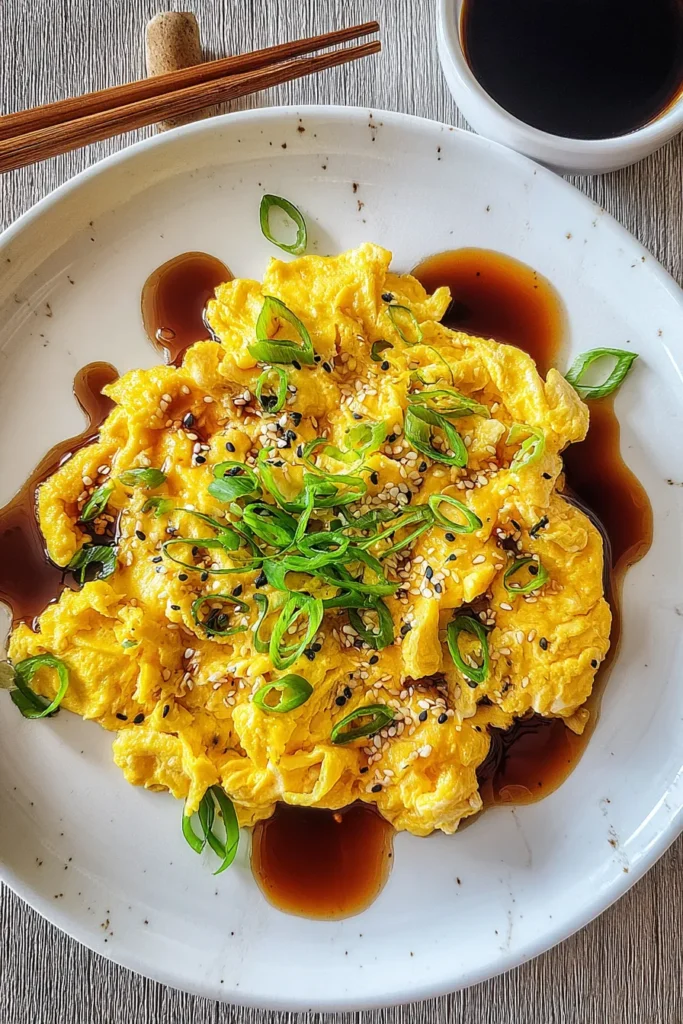

Scrambled Eggs with Soy Sauce
Description
Experience a delightful fusion of textures and tastes with these soft scrambled eggs enhanced by savory soy sauce. Perfect for a quick meal or brunch treat!
Ingredients
Instructions
-
Crack the eggs into a bowl and add the soy sauce. Use a fork or whisk to beat the eggs until well combined and uniformly colored.
-
Heat a non-stick skillet over medium heat and add the butter or oil. Allow it to melt and coat the pan evenly.
-
Pour the beaten eggs into the skillet. Allow the eggs to cook undisturbed for about 10-15 seconds.
-
Using a spatula, gently stir the eggs, bringing the edges towards the center. Continue cooking, stirring occasionally, until the eggs are softly set and slightly runny in places. Be careful not to overcook; the eggs should be creamy and soft.
-
Season with salt and pepper to taste. Remember, the soy sauce is salty, so taste before adding too much salt.
-
If using, sprinkle the finely chopped scallion on top of the scrambled eggs.
-
Serve immediately, garnished with sesame seeds, chopped chives, or sliced chili if desired.
Note
- Soy sauce adds a umami depth and rich flavor to the traditional scrambled eggs.
- For a richer taste, consider using dark soy sauce, but use it sparingly to avoid overpowering the dish.
- Each type of soy sauce varies in saltiness, so adjust the amount according to your preference.
- For a creamier texture, consider adding a splash of milk or cream to the egg mixture.
- Pair this dish with steamed rice or toast for a more complete meal.
- Experiment by adding additional ingredients such as diced tomatoes, bell peppers, or mushrooms for extra flavor and nutrition.

